Details

Author

Albert Camus (1913-1960) was a French-Algerian philosopher, author, and journalist. Born in Mondovi, Algeria, he grew up in poverty after his father's death in World War I.

Camus became one of the most influential thinkers of the 20th century, exploring themes of absurdism, existentialism, and the human condition. He was awarded the Nobel Prize in Literature in 1957.

His major works include The Stranger (1942), The Plague (1947), and The Myth of Sisyphus (1942).

Book

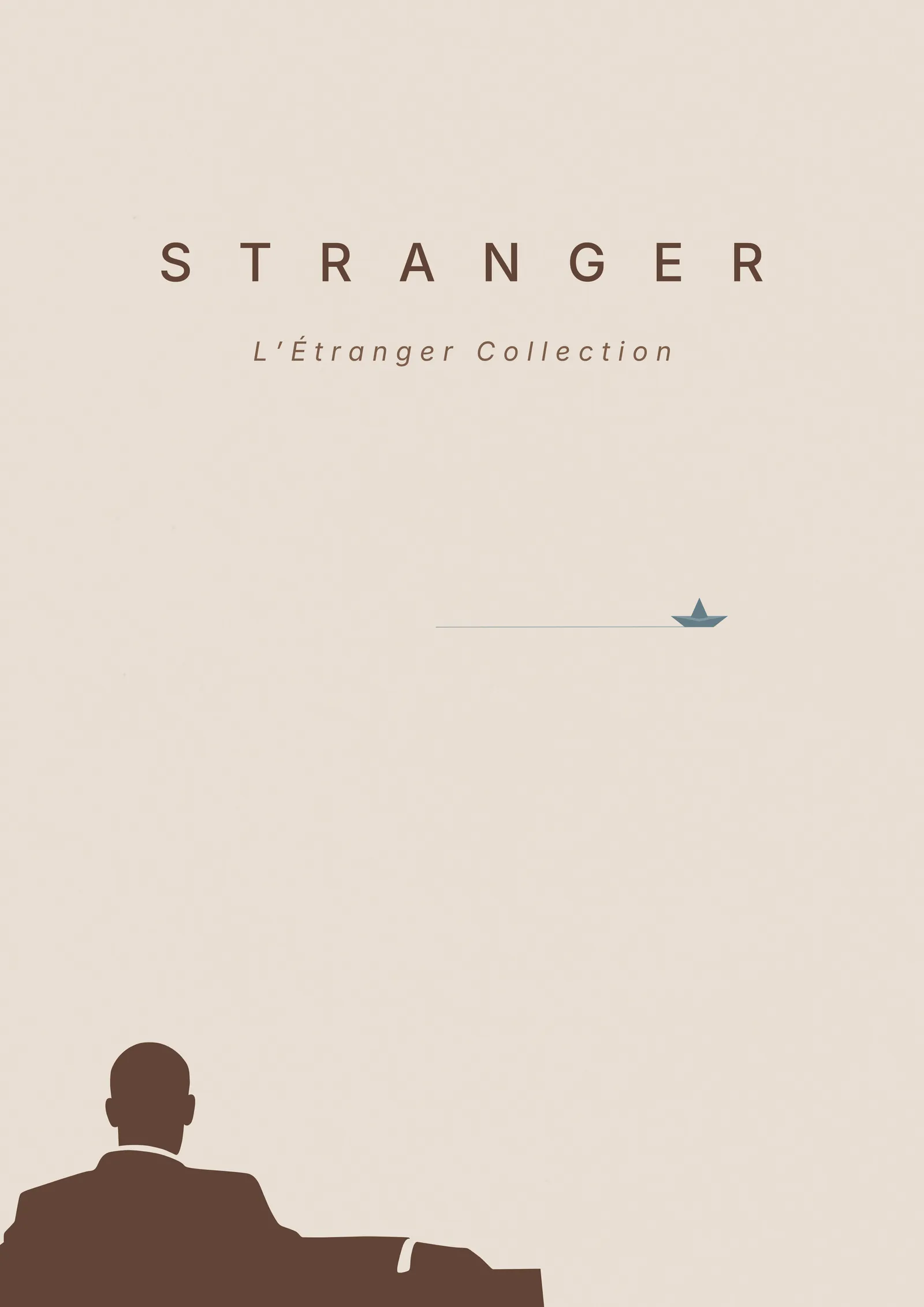
The Stranger (French: L'Étranger), also published as The Outsider, is a 1942 novel by Albert Camus. Its theme and outlook are often cited as examples of Camus' philosophy of the absurd and existentialism, though Camus personally rejected the latter label.

The novel follows Meursault from his mother's funeral to a fatal shooting on an Algerian beach and the trial that follows, where his emotional detachment is judged as harshly as the crime itself. It has been translated into many languages, is considered a classic of 20th-century literature, and was ranked number one in Le Monde's 100 Books of the Century.

Plot

The story is set in Algiers and follows Meursault, a detached and emotionally indifferent shipping clerk. After receiving news of his mother's death, he travels to her nursing home but shows a shocking lack of grief.

Back in Algiers, he begins a relationship with Marie, a former colleague, and befriends Raymond, a neighbor who involves Meursault in a conflict with an Algerian man. The tensions culminate in a fateful encounter on a beach under a blinding, oppressive sun.

Show spoilersHide spoilers

On the beach, Meursault encounters Raymond's rival again. Overwhelmed by the heat and the glare of the sun on a knife, Meursault shoots the man once, and then four more times.

The second half of the novel focuses on Meursault's trial. Instead of focusing on the homicide itself, the prosecution focuses on Meursault's lack of emotional reaction to his mother's death. He is eventually sentenced to death not for the murder, but because he "didn't cry at his mother's funeral."

In the final moments before his execution, Meursault finds a sense of peace by accepting the "gentle indifference of the world" and realizing that he has been happy.

The Stranger - The Body as the last Truth

The corpse before him is not his mother.

This is not her hair.

Not her bulging veins.

The age spots on her hands.

The sock with a loose stitch.


This room is not his.

Neither is the silence.


But the cigarette — that's his.

The smoke.

The smell.

The fingers holding it.

The lips exhaling.


The ash.

The butt.

The habit.


The habit of smoking.

Of sleeping.

Of eating.

Of making love.


Of living.

Here.


Without explanations.

Without excuses.


Without imposed meaning.

Without tomorrow.

Without a role.


The body knows.

And it doesn't lie.


The body is tired.

It sleeps.

Smokes.

Drinks coffee. With milk.

People watch. And click their tongues.


The body is in love.

It laughs.

Swims in the sea.

Makes love.

They ask, "Do you love me?"

"Will we get married?"


The body suffers. It's on the edge.

It tenses.

It strains.

It fights.


The sun is relentless.

It is everywhere.

It breaks him.


But none of that matters.

What the body goes through doesn't matter.

What matters is what it performs.


It is watched.

Judged.


Loss becomes an exam.

Love becomes a script.

Collapse is charged as murder.


The body is interrogated.

Others answer in its place.

"Buried his mother with the heart of a criminal,"

"mistress," "debauchery,"

"premeditated murder," "patricide."


The body shrinks.

It listens.

Says nothing.

Has no words.


It's no longer a body.

It's a narrative.

Orderly. Logical. Readable.

Sterile.


The narrative is not on trial for murder.


It's on trial for feelings.

Demanded.

And not performed.


The body is gone now.

Only the guillotine remains.